
English| EUR
Suggested for you
More currencies
Choose a language
The 30-nautical-mile channel between the Turkish coast and the Dodecanese is short, but the clock on it is unforgiving. Between Marmaris Cruise Port and Rhodes Tourist Port, the sailing itself is the quickest part of the day — passport control and vehicle-free boarding formalities take longer. This page sets out when the service operates, how long the crossing takes, and how the timetable shifts with the season.
Quick answer
The Marmaris–Rhodes service operates daily within an 08:45–18:30 window, with the crossing itself typically running around an hour by fast catamaran. Departure slots vary by season and operator, and passengers must arrive at least 60 minutes before departure for customs and boarding. Always confirm the exact sailing time for your date before travelling, as summer frequency exceeds winter.
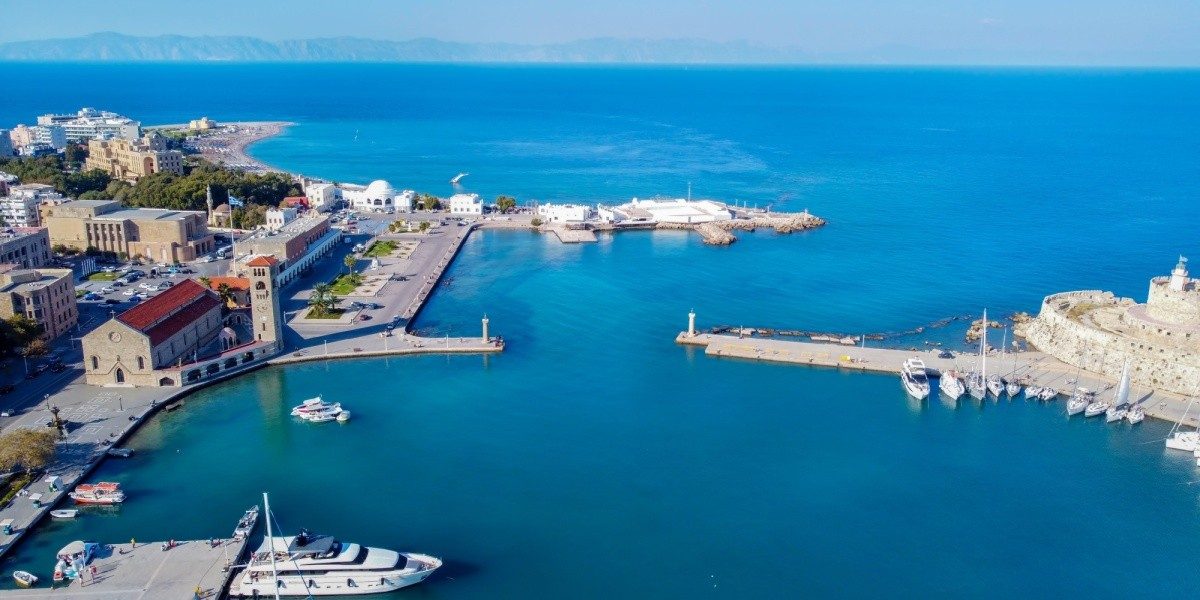
Rhodes lies closer to Turkey than to any Greek island of comparable size — roughly 30 nautical miles of open water separate Marmaris from the medieval harbour of the Dodecanese capital. That proximity is why a hydrofoil or catamaran can cover the route in about an hour, and why the marmaris to rhodes ferry timetable is built around a single working day rather than overnight sailings. What surprises most first-time passengers is not the length of the voyage but the length of everything surrounding it. The sea leg is short. The paperwork is not. Two separate customs regimes bracket the crossing. Passengers exit Turkey at Marmaris Cruise Port and enter the European Union at Rhodes Tourist Port, which means two passport controls, two manifest checks and, in peak weeks, two queues of several hundred people. The published operating window runs from 08:45 to 18:30 daily, and the mandatory sixty-minute check-in is not a courtesy suggestion — manifests close early, and late arrivals are not carried. Seasonality compounds this. Between June and September, when the Marmaris–Rhodes crossing carries day-trippers alongside island-hoppers, sailings run at their highest frequency, often with a morning outbound and a late-afternoon return in each direction. From late autumn through early spring, frequency contracts sharply and some days carry no service at all. Weather is the second variable. The Aegean meltemi can force cancellations at short notice in July and August, and rough-sea days in winter can suspend the route entirely. A rhodes ferry schedule is therefore a plan, not a promise. The practical consequence for anyone building an itinerary is to treat the outbound and the return as separate decisions. Day-trippers based in Marmaris typically take the earliest available departure and the last return, which yields roughly six to seven hours ashore — enough for the Palace of the Grand Master, the Street of the Knights and Mandraki Harbour, but not enough for Lindos as well without hurrying. Travellers heading onward into the Dodecanese should plan an overnight in Rhodes Town rather than gambling on a same-day connection to Symi or Kos, because a delay on the Turkish side has no recovery window. Vehicles are not carried on the fast craft, so cars stay in Marmaris. Passports, not identity cards, are required in both directions regardless of nationality, and the sailing you are booked on is tied to a named manifest that cannot be transferred at the quay. Read correctly, the marmaris to rhodes ferry timetable is less a list of departure times than a set of constraints: a daily operating window that closes in the early evening, a check-in cut-off an hour before the ropes come off, and a crossing measured in minutes rather than hours. Confirm the sailing time for your specific date with the operator directly, because published schedules are revised at the start of each season and again when demand drops in October. Book the return before you sail. The last boat back to Marmaris is genuinely the last one, and the alternative is an unplanned night in the old town.
“The sea leg is short. The paperwork is not.”
The ferry service operates on a consistent daily schedule between Marmaris and Rhodes. Vessels depart throughout the week during the specified operational hours.
The ferry route connects Marmaris Cruise Port in Turkey with the Rhodes Tourist Port in Greece. Passengers should plan their transit to the specific port terminal well in advance of their scheduled departure time.
Direct to Marmaris Cruise Port terminal
Walk via Liman Cd. to Marmaris Cruise Port
Local dolmuş to Marmaris Ferry Terminal
Arrival at the terminal at least 60 minutes before departure is required to complete mandatory customs and boarding procedures. The best arrival window for processing is 08:45–17:30.
The cost of ferry travel between Marmaris and Rhodes is determined by ticket type and whether the journey is one-way or part of a round-trip itinerary. Prices for round-trip bookings may vary depending on the operator and specific scheduling requirements.
Verdict: A typical adult passenger pays 40 EUR for a one-way ticket, though round-trip pricing fluctuates based on specific schedule selections.
Crossing an international border by sea means the paperwork and timing matter more than what you pack, so work through these steps in order.
Everything you need to know about marmaris to rhodes ferry timetable
The marmaris to rhodes ferry timetable provides daily departures from Marmaris Cruise Port to the Rhodes Tourist Port. Please consult the official carrier, Sea Dreams, for the most accurate daily slot availability and specific departure hours.
Vessels follow a consistent daily schedule between the two ports throughout the week. You should check the marmaris to rhodes ferry timetable regularly as seasonal demand may influence specific timing.
The entrance fee for a one-way ticket is 40 EUR. Please note that costs for same-day or different-day returns vary based on the specific ferry operator's policies.
Yes, you must arrive at the terminal at least 60 minutes before your scheduled departure time for customs and boarding procedures. Following the marmaris to rhodes ferry timetable strictly ensures you complete necessary security checks without delay.
Yes, round-trip options are generally available, though pricing for returns differs from the one-way fare. Verify your return leg timing against the published ferry schedule when booking your travel.
All passengers must possess a valid passport and the necessary visa documentation for entry into Greece. Preparing your travel documents in advance helps ensure a smooth experience when following the sea crossing itinerary.
Boarding takes place at the Marmaris Cruise Port in Turkey. You can find the exact location and arrival window details provided in the informational sections of this site.